Properties Returned to Usable Condition
Land Clearing in Rodessa for dense overgrowth on residential and commercial sites
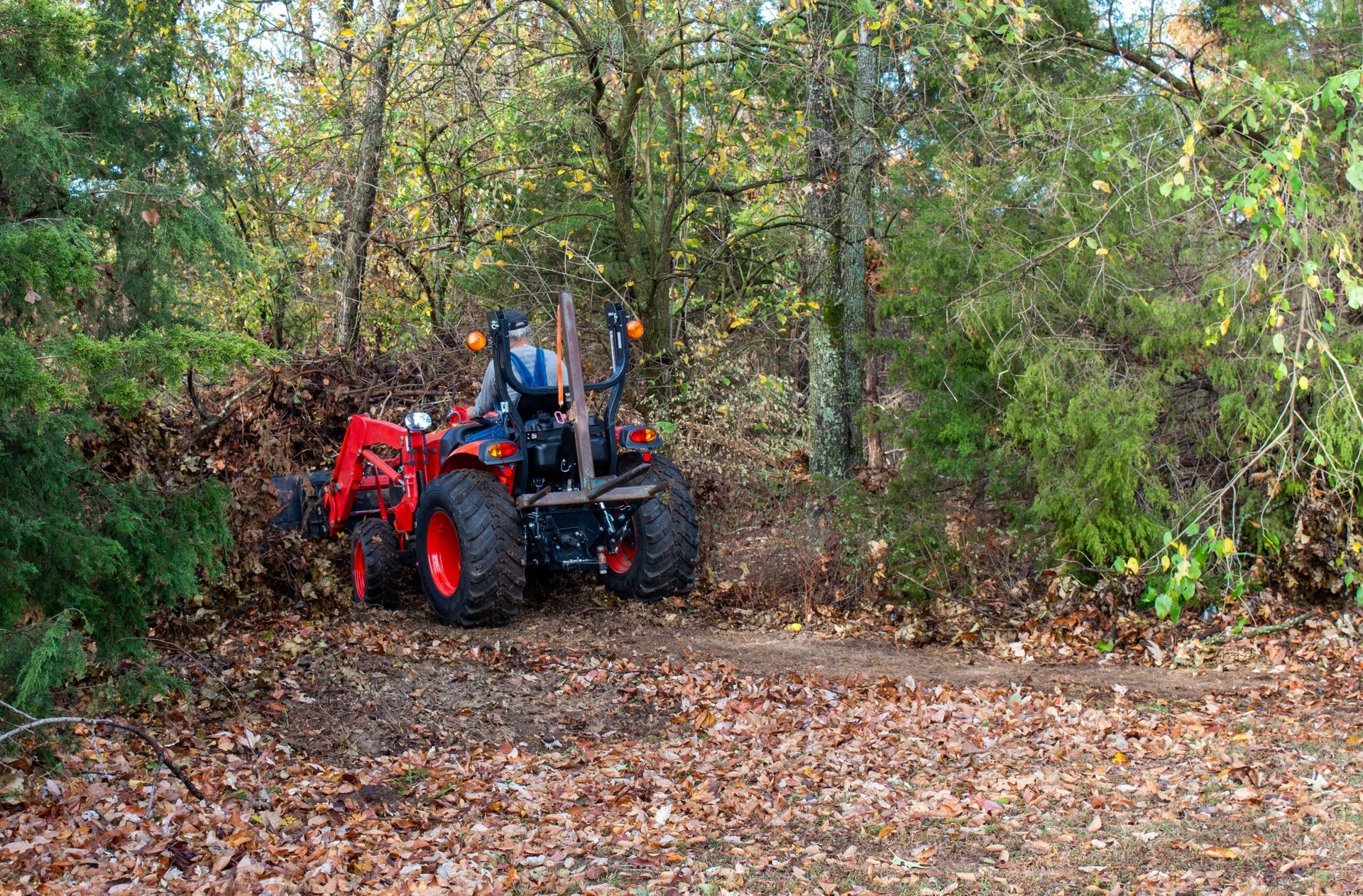
Stolzle Services LLC clears heavy vegetation and dense understory from properties across northwest Louisiana using heavy equipment designed for the region's clay and loam soils. Properties in humid subtropical climates accumulate thick brush quickly, and the clearing process addresses both removal and soil preservation to prepare sites for construction, agriculture, or resale. Equipment selection matters here because the wrong machinery compacts post-clearing soil, creating drainage problems that surface months later.
The service removes brush, handles selective tree takedown when needed, extracts stumps, and hauls debris off-site. Clay and loam soils typical of Natchitoches Parish and Sabine Parish require careful handling during wet season work to avoid compaction that limits future land use. The crew approaches clearing as site preparation rather than simple removal, which means drainage patterns and soil structure are considered during every phase of the work.
Schedule a property evaluation to identify vegetation density and soil conditions before clearing begins.
What Proper Clearing Requires in Northwest Louisiana
The process begins with site assessment to determine vegetation type, soil composition, and seasonal water movement patterns. Heavy equipment removes surface brush and understory growth, while selective takedown addresses larger trees that obstruct future use. Stump extraction follows when root systems interfere with grading or construction plans, and debris hauling clears the site completely rather than leaving material piled at property edges.
Once clearing finishes, the property surface is level and accessible, with compacted zones minimized to preserve drainage function. Root masses no longer obstruct equipment access, and the site supports the weight of construction machinery or agricultural equipment without rutting. Vegetation regrowth slows significantly because stumps and root networks have been removed rather than cut at ground level, which reduces maintenance cycles for the first growing season after clearing.
The timeline depends on acreage, vegetation density, and soil moisture levels at the time of work. Wet season clearing takes longer because equipment must work around saturated zones to avoid creating compaction problems that affect post-clearing drainage. Properties with established hardwood growth require more time for stump extraction than sites dominated by brush and saplings.
What Property Owners Usually Ask
Questions about land clearing in the Ark-La-Tex region typically focus on soil preservation, equipment selection, and seasonal timing.
What happens to the soil structure during heavy equipment clearing?
Equipment is selected based on soil type and moisture content to prevent compaction that damages drainage patterns. Clay and loam soils require tracked machinery rather than wheeled equipment during wet conditions, and operators avoid repeated passes over the same ground to preserve soil structure for future grading or planting.
How does humid subtropical climate affect the clearing process?
Dense understory vegetation regrows quickly in high-moisture environments, so complete stump and root removal prevents rapid regrowth that reduces site usability. The wet season creates thick brush that requires rotary cutters and heavy brush removal equipment rather than standard mowing attachments.
What debris is removed versus left on-site?
All cut vegetation, extracted stumps, and brush are hauled off the property unless you request mulching for specific landscape areas. Debris piles left on-site attract pests and create fire hazards, so complete removal is standard practice for properties being prepared for construction or resale.
When should clearing happen to avoid seasonal complications?
Dry season work from late spring through early fall allows faster equipment operation and reduces soil compaction risk. Wet season clearing is possible but requires different equipment and longer timelines to manage saturated ground conditions common in Rodessa and surrounding parishes.
What's included in site preparation beyond vegetation removal?
The service addresses surface leveling, debris hauling, and stump extraction, but does not include final grading or drainage installation. Site preparation creates an accessible, cleared surface ready for grading contractors or construction equipment to begin the next phase of development.
Stolzle Services LLC handles land clearing for residential and commercial properties throughout the Ark-La-Tex region with equipment suited to local soil and vegetation conditions. Request a site visit to assess vegetation density and discuss debris removal options for your property.